23 August 2024 XDXD – Experience Design of Experience Designer

We wanted to challenge the saying “A candle does not light its own wick” by exploring the experience design of the experience designer. In the fast-moving and constantly evolving business world, most of us rarely find the time to reflect on the experience of our own work or the practices that could improve it. This article shares one of our efforts to do just that.
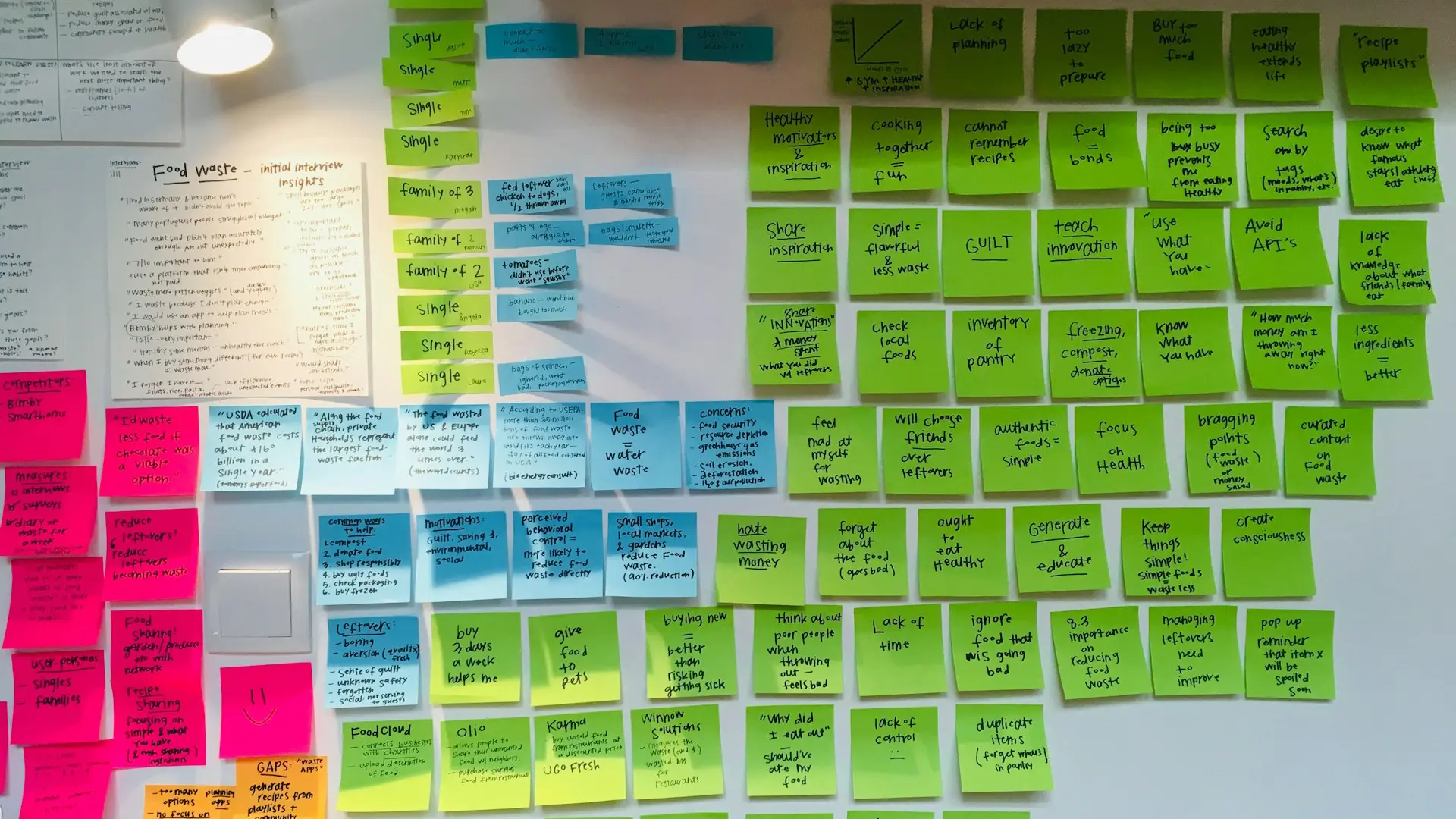
Experience designers typically begin with customary practices and commonly accepted approaches tailored to the customer and business context. They then move forward with more specialised methods.
Using design thinking and similar frameworks, they observe the experience and the people who live or shape it through both direct and indirect means. Using empathy and idea development methods, experience designers internalise the subject matter and transform their observations into actionable insights that aim to satisfy the customer.
So, how can we improve the experience of the experience designer?
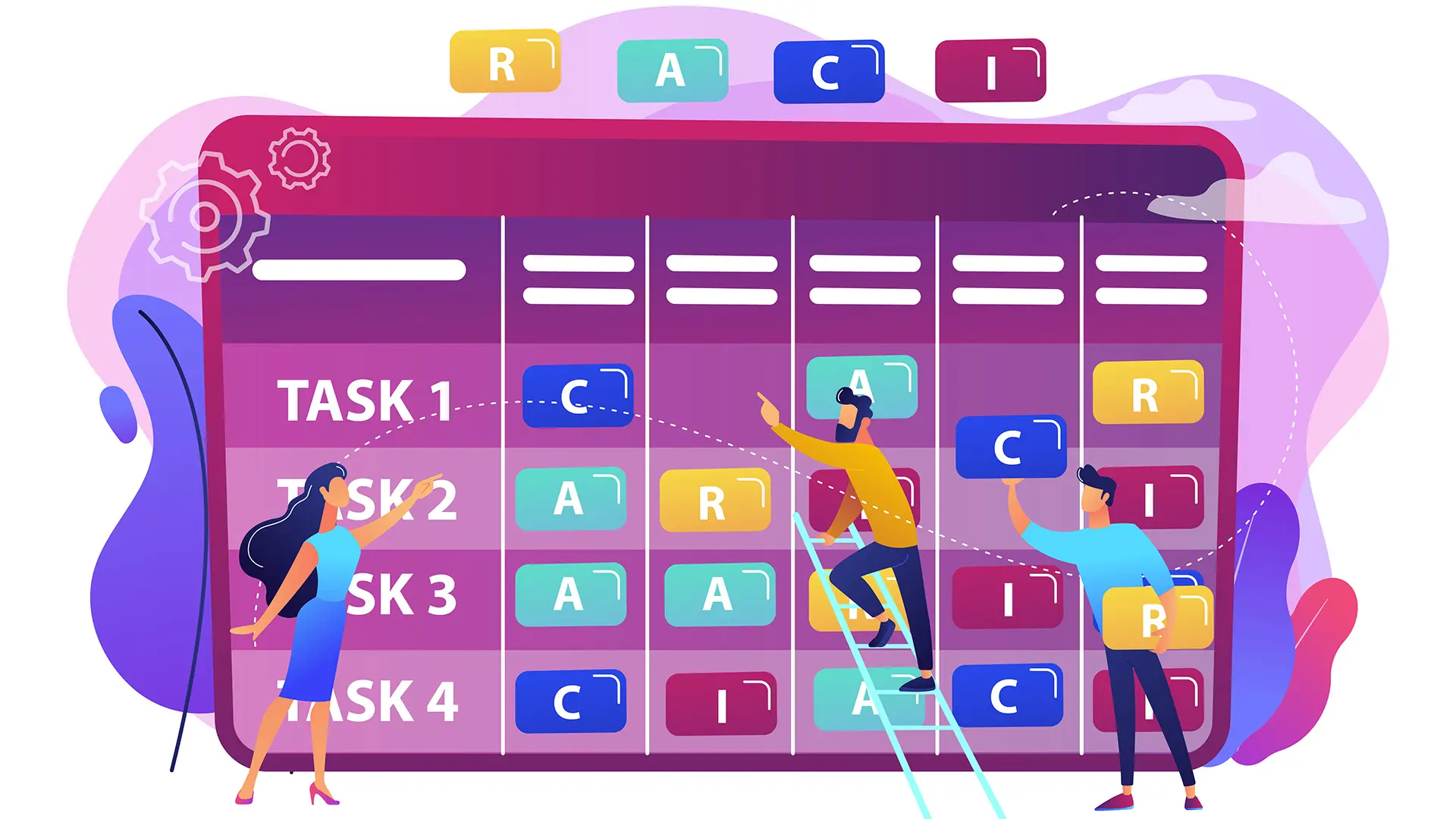
Pre-Project
When a scope of work and a contract are in place, defining a responsibility matrix along with clearly outlining the scope and acceptance criteria helps prevent misunderstandings between the client and the experience designer and it ensures that customer expectations are met effectively.

Project Process
By leveraging various technologies, an experience designer can improve quality, efficiency, and speed, ultimately enhancing customer satisfaction. For instance, using AI-supported software to record qualitative interviews in both audio and text formats allows a single designer, rather than two, to fully focus on the interviewee and their responses. This enables the designer to stay engaged throughout the conversation, use semi-structured questions more effectively, and gather richer insights, laying the groundwork for deeper empathy. Facial and expression recognition technologies can be used to capture momentary emotions, offering valuable support for research and this capability can be further deepened.
Artificial intelligence can also assist by compiling relevant customer and brand posts from social media, analysing them in terms of emotion, gender, and content. While this is a complex task, when executed well, it significantly enhances effectiveness.
Another important consideration is cross-referencing the work with the perspectives of other experience designers to ensure common-sense checks, consistency, and enrichment. This requires a minimum number of designers. It is important to note that falling below this threshold compromises the standard and quality of the work and the designer becomes reliant solely on their own effort and diligence and most critically, risks becoming professionally isolated and ineffective.

Project Delivery
The presentation is the most critical stage for both the client and the experience designer. It represents the culmination of all prior efforts. The effective use of supporting technologies is essential to ensure its impact. Today’s tools make it entirely possible to compile and refine outputs using artificial intelligence and enhance them with visuals. It is vital that the experience designer actively participates in the presentation, fully prepared and familiar with the details of the work. This can be achieved through rehearsal and by reviewing and prioritising the information to be shared with the client, ideally in collaboration with experienced employees.
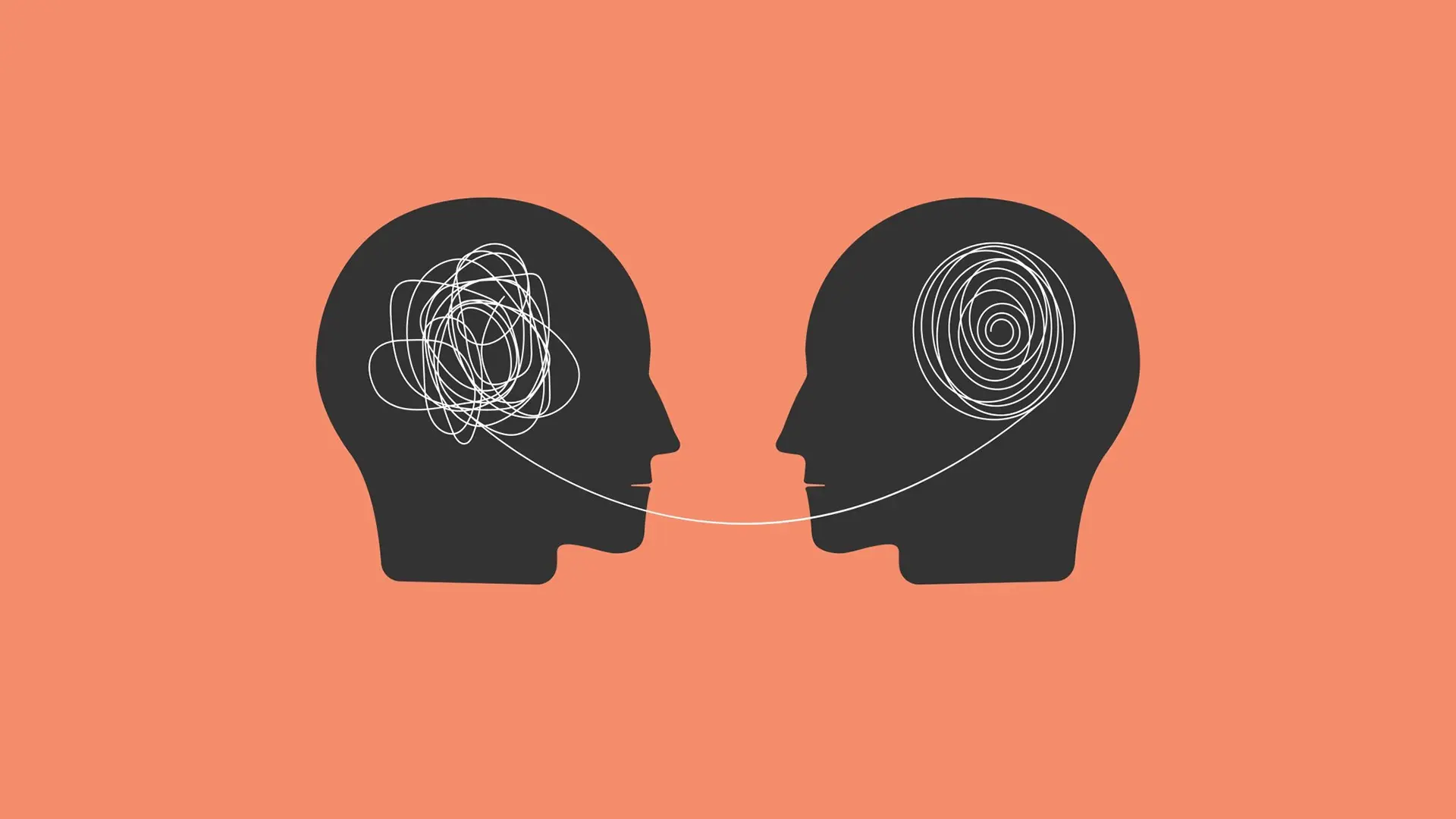
Ultimately, the core of an experience designer’s work is empathy and understanding that empathy is key to shaping the experience of the experience designer.