21 June 2023 Human-Artificial Intelligence (AI) Collaboration in Customer Satisfaction
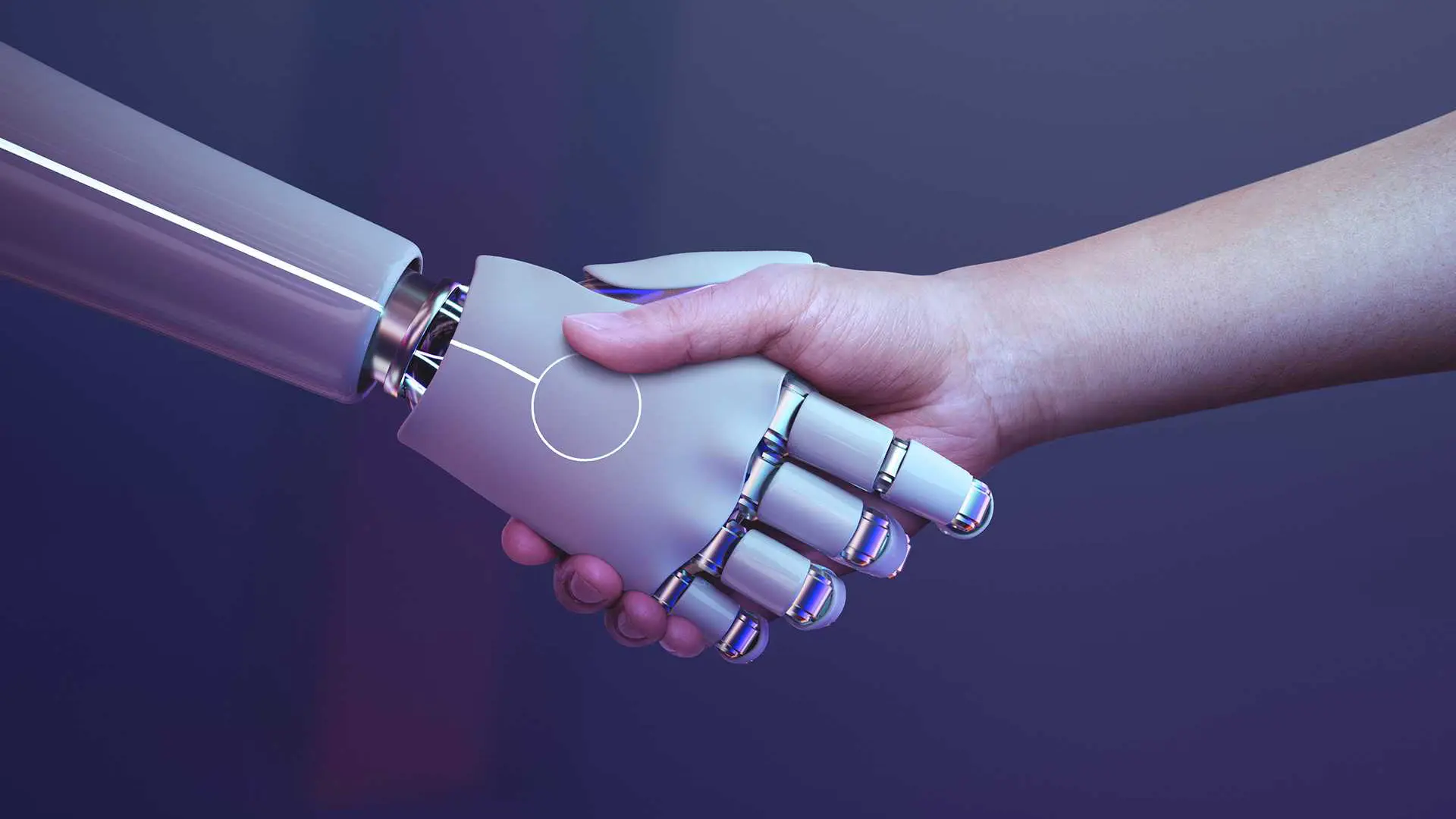
Customer satisfaction and loyalty are of vital importance, especially in today's competitive and dynamic market. Therefore, regularly measuring customer satisfaction and making improvements where necessary has become a necessity for businesses. Artificial Intelligence (AI) has also found its place in this field with its many benefits.
What Advantages Can Artificial Intelligence Offer in Customer Satisfaction Studies?
Artificial intelligence has become a powerful tool for businesses seeking to enhance customer satisfaction and loyalty through personalised experiences. With AI-powered chatbots, companies can respond to customer queries more quickly and efficiently and by analysing customer data, they gain deeper insights into individual needs and preferences, improving customer services operations. In this sense, AI plays a vital role in holistically transforming customer service, reducing customer loss, and significantly improving the overall customer experience
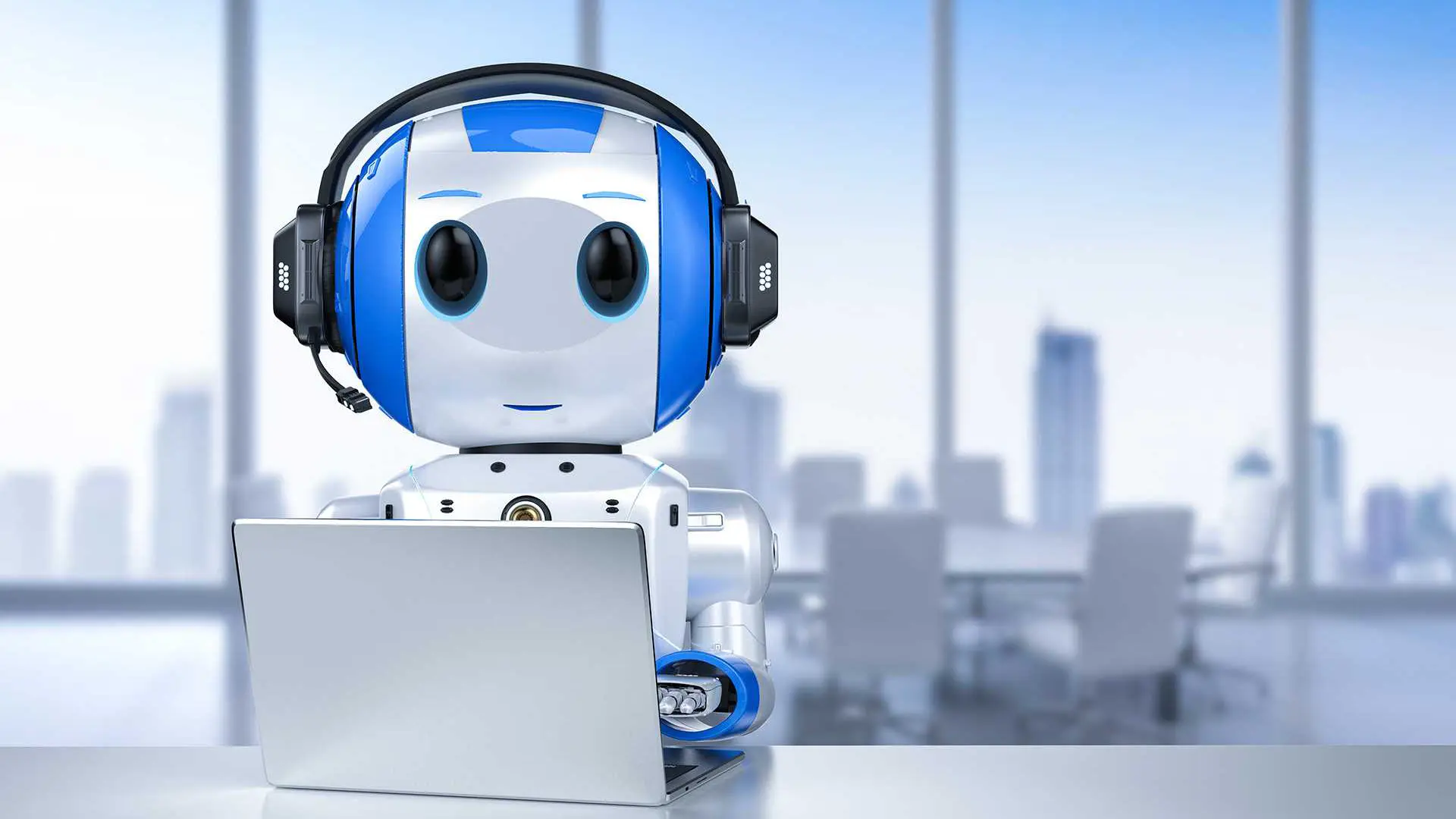
But are there no challenges? Of course, there are challenges.
While AI applications offer many advantages, they still present some challenges that cannot be ignored. As AI relies on large data sets, ensuring data quality and security is one of the most critical issues. Further, questions such as who is responsible for AI decisions and their consequences, how to ensure fairness and transparency in the integration of AI algorithms into processes, and how to prevent ethical and legal issues can be challenging.
There are still many situations where human interaction is too complex for machines to perform. This is where human-artificial intelligence collaboration comes into play. While humans possess creativity, empathy and critical thinking skills, artificial intelligence is not yet sufficient in these areas; however, it is more effective at performing repetitive tasks and processing substantial amounts of data. When working together towards the same goal, much more efficient work can be achieved. In summary, it is a fact that artificial intelligence will greatly enhance and complement human skills.
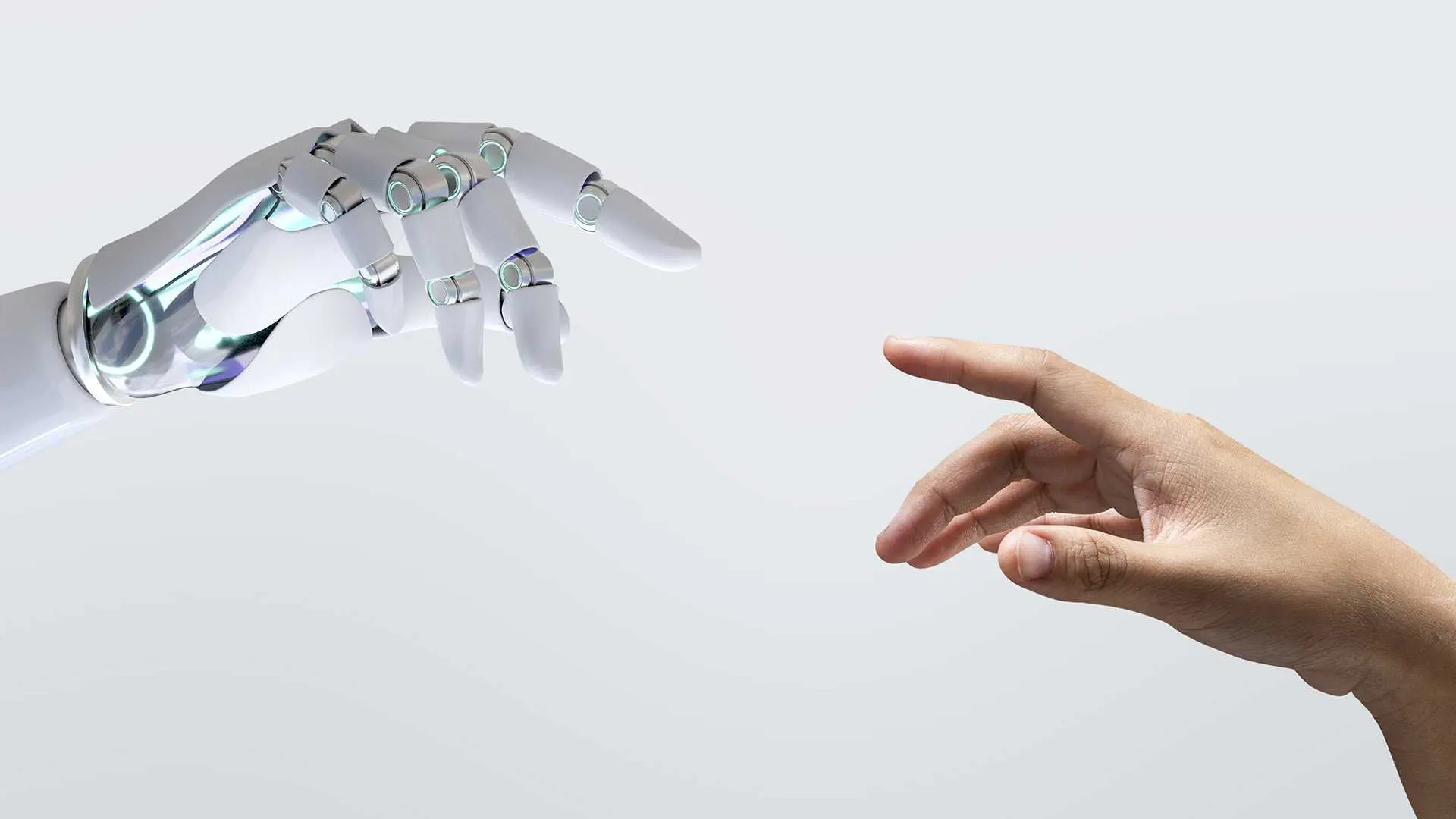
It is clear that the importance of this collaboration will increase in the future. It is certain that artificial intelligence cannot yet completely replace humans and that the benefits and innovations brought about by human-artificial intelligence collaboration will continue to be discussed for some time.