13 February 2025 Gamification in Customer Experience
It is an undeniable fact that customer experience is one of the most critical factors shaping a company’s success, and its importance continues to grow each day. Brands are constantly seeking innovative ways to differentiate themselves from competitors, build deeper connections with customers, increase loyalty, and make the customer journey more meaningful. Brands aiming to move beyond traditional methods are turning to strategies such as “gamification". While gamification itself is not a new concept, it continues to prove highly effective.
People are naturally drawn to the feeling of achievement, and gamification taps directly into the brain’s reward system to evoke this response. In the context of customer experience, gamification aims to boost engagement, shape user behaviour and enhance the overall enjoyment of the customer journey.
What are the Benefits?
Building Emotional Connections: Encourages customers to view the brand not just as a product provider, but as a partner in enjoyable experiences.
Increasing Motivation: Motivates users to achieve specific goals. For instance, campaigns such as “Buy 10 coffees, get 1 free,” as seen in some coffee chains.
Impact on Changing Consumer Behaviour: Gamification techniques can be effective in changing customers’ shopping habits.
Opportunity for Data Collection: Gamification strategies offer an excellent opportunity to collect data on customer behaviour.
What are Gamification Strategies?
It is important to identify the right methods and strategies to effectively apply gamification in the customer experience. Some of these methods include:
Points and Reward Systems: Point collection or reward-earning mechanics are among the most recognized gamification techniques, enhancing customer motivation for repeat purchases. They enable users to earn rewards and discounts in exchange for specific actions.
Badges and Achievements: These are visual symbols awarded to users upon reaching certain goals, motivating them to remain engaged.
Leaderboards: Competition is a strong motivator for many individuals. Leaderboards encourage users to compete with others and strive for higher rankings.
Levels and Progression: They are the systems that allow users to level up by completing specific actions, enhancing long-term engagement.
Storytelling and Quests: A method that makes the experience more engaging by involving users in a narrative. It helps users form an emotional connection with the brand.
Time-Limited Events: They are the systems that require users to complete tasks within a defined time frame. They create a sense of urgency, motivating users to take action.
Social Interaction: They are the systems that enable users to interact or compete with friends and other users, helping the brand gain visibility on social media.
How is Gamification Applied?
Brands that choose to elevate their customer experience through gamification can begin delivering enjoyable interactions by focusing on the following key steps.
1. Set Your Goals: It is essential to establish clear and focused goals to ensure the success of the project. These goals may include customer loyalty, brand awareness, user engagement, or increased sales.
For instance, if customer interaction with the brand is low, improving engagement could be a primary objective. You can define measurable target such as increasing app usage time by five minutes and set KPIs (key performance indicators) such as the rate of points earned or the number of badges collected.
2. Define Your Target Audience: Gamification should be tailored to the interests, motivations, and behaviours of the target audience. Therefore, it is essential to understand users thoroughly.
For example, user personas can be developed based on demographics, interests, and habits to determine whether users are primarily motivated by rewards, competition, or social interaction. Additionally, gathering feedback from existing customers can help uncover their needs and expectations.
3. Select Game Mechanics: Choose the mechanics that align with your goals and target audience, as these elements play a key role in boosting user engagement with the brand. Examples include point systems, badges, leaderboards, levels, and challenges.
4. Design the Reward System: Rewards are essential for maintaining user engagement within a gamification framework. To be effective, they must be both meaningful and attainable.
These can take the form of tangible incentives such as discounts, free products, or gift cards or intangible ones like badges, status, or exclusive content. Furthermore, the frequency of rewards should keep users engaged. Giving rewards too often can devalue them, while giving them too infrequently can cause users to lose interest.
5. Select the Technology and Platform: Select the platform on which the gamification system will be implemented. This could be a mobile application, a website, or a physical store where users scan QR codes to track their points, badges, and progress.
6. Design the User Interface (UI) and User Experience (UX): In addition to being user-friendly, fun, and engaging, the gamification system must be easy to understand.
A clean and straightforward design—enhanced with animations and icons—can make the experience more enjoyable. Additionally, incorporating feedback mechanisms allows users to view their progress and rewards in real time.
7. Test and Improve: Test your gamification system with a small group of users and refine it based on their feedback. For example, you can collect user insights through a pilot program or evaluate the system’s impact by analysing user behaviour. This feedback and analysis can then be used to optimise the system.
8. Launch and Promotion: Introduce your gamification system to all users and encourage them to participate. You can provide guides or videos explaining how the system works and offer bonus points or rewards to new users to boost initial engagement.
9. Continuous Monitoring and Updating: The system should be regularly monitored, updated, and improved to keep users engaged over time.
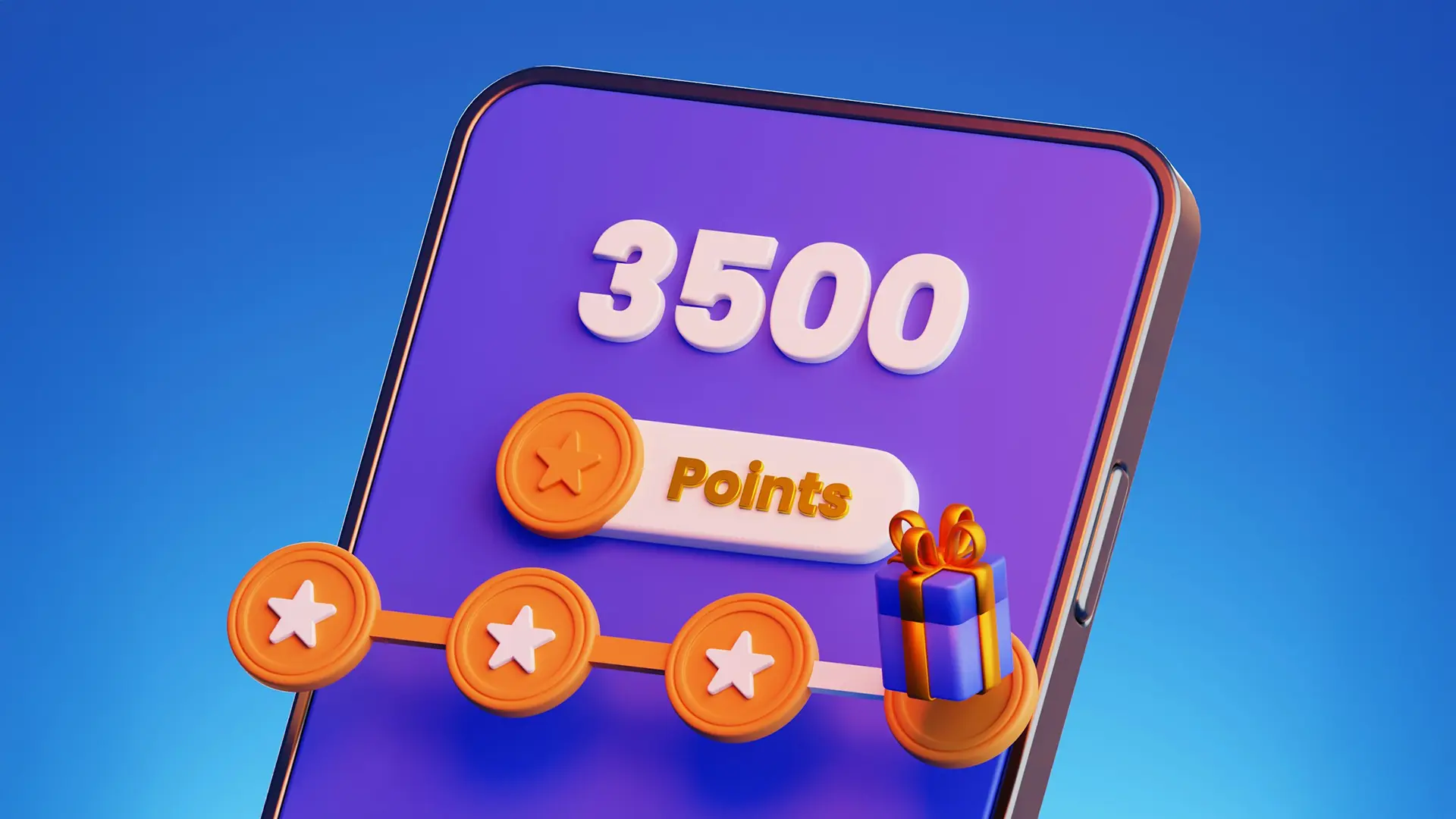
Examples of gamification in customer experience include Turkish Airlines’ Miles&Smiles program, which rewards users with free flights or other benefits based on the miles they accumulate; Nike’s "Nike Run Club" app, which motivates users to run by awarding points and enabling them to share achievements on social media; and Duolingo, which encourages regular participation by awarding badges for completed lessons.
As technology advances, gamification continues to evolve in sophistication. Innovations such as augmented reality (AR), virtual reality (VR), and artificial intelligence (AI) are expanding its potential, offering customers more immersive and memorable experiences.
Ultimately, gamification is a powerful tool for enhancing customer experience and when thoughtfully implemented, it strengthens the bond between customers and the brand, driving greater loyalty. Combining elements of fun, motivation, and personalisation, gamification is poised to remain a core component of customer engagement.