09 November 2024 Changing Consumer Experiences and Sustainable Strategies

As we approach 2030, a range of advanced trends is expected to reshape the marketing landscape. Technological innovation shifts in production and growing emphasis on sustainability will shape marketing efficiency. It is worth exploring which trends may take center stage in 2030.
1. Artificial Intelligence and Automation
Artificial intelligence (AI) is expected to be at the core of future marketing strategies. It will enhance the scope and precision of decision-making in areas such as data analysis, customer segmentation, and personalisation. AI-powered tools including chatbots, voice assistants, and automated customer service solutions are already central to brand agendas aimed at improving the customer experience.
2. Personalisation 2.0
The personalisation trend that gained momentum in the 2020s is expected to evolve significantly in the coming years. Brands will deliver ultra-personalised experiences tailored to individual preferences with the power of artificial intelligence and big data. Customised services, marketing messages, and campaigns will help consumers build deeper, more meaningful connections with brands.
3. Sustainability and Ethical Consumption
Sustainability and ethical consumption, which continue to grow in importance, are expected to remain central to marketing strategies in the near future. As consumers increasingly value brands that demonstrate social responsibility and active engagement, companies that reduce their carbon footprint, adopt renewable energy, and embrace fair trade and ethical production practices will gain a competitive edge. Features such as recyclable packaging and environmentally friendly products will become key points of differentiation. At the same time, consumers will scrutinise sustainability claims more closely, making transparency and trust essential. Sustainability is no longer just a trend but it is a foundational element of brand credibility and customer loyalty.

4. Metaverse and Virtual Worlds
By the 2030s, the metaverse is expected to play an increasingly prominent role in marketing. Brands will offer opportunities for consumers to shop, interact, and explore diverse virtual environments with the advancement of virtual reality (VR) and augmented reality (AR) technologies. The metaverse stands out as a dynamic platform for executing innovative and experiential marketing campaigns.
5. Voice Calls and Voice Assistants
Voice call and voice assistants are set to revolutionise digital marketing. Consumers will increasingly rely on voice technologies for shopping and information retrieval. Ultimately, brands will need to adapt their SEO strategies and content formats to ensure they are optimised for voice-based interactions.
6. Data Privacy and Security
Consumer concerns about data security are expected to grow significantly in the coming years. As regulations tighten and consumer awareness increases, brands will be required to show greater transparency in how personal data is collected, stored, and used. Companies that maintain consumer trust will be better positioned for long-term success.
7. Unmanned Stores and Contactless Technologies
Contactless technologies, which gained significant momentum in the post-pandemic era, are expected to become even more widespread in the near future. Unmanned stores, automated payment systems, and contactless delivery options will provide consumers with faster, more convenient shopping experiences. 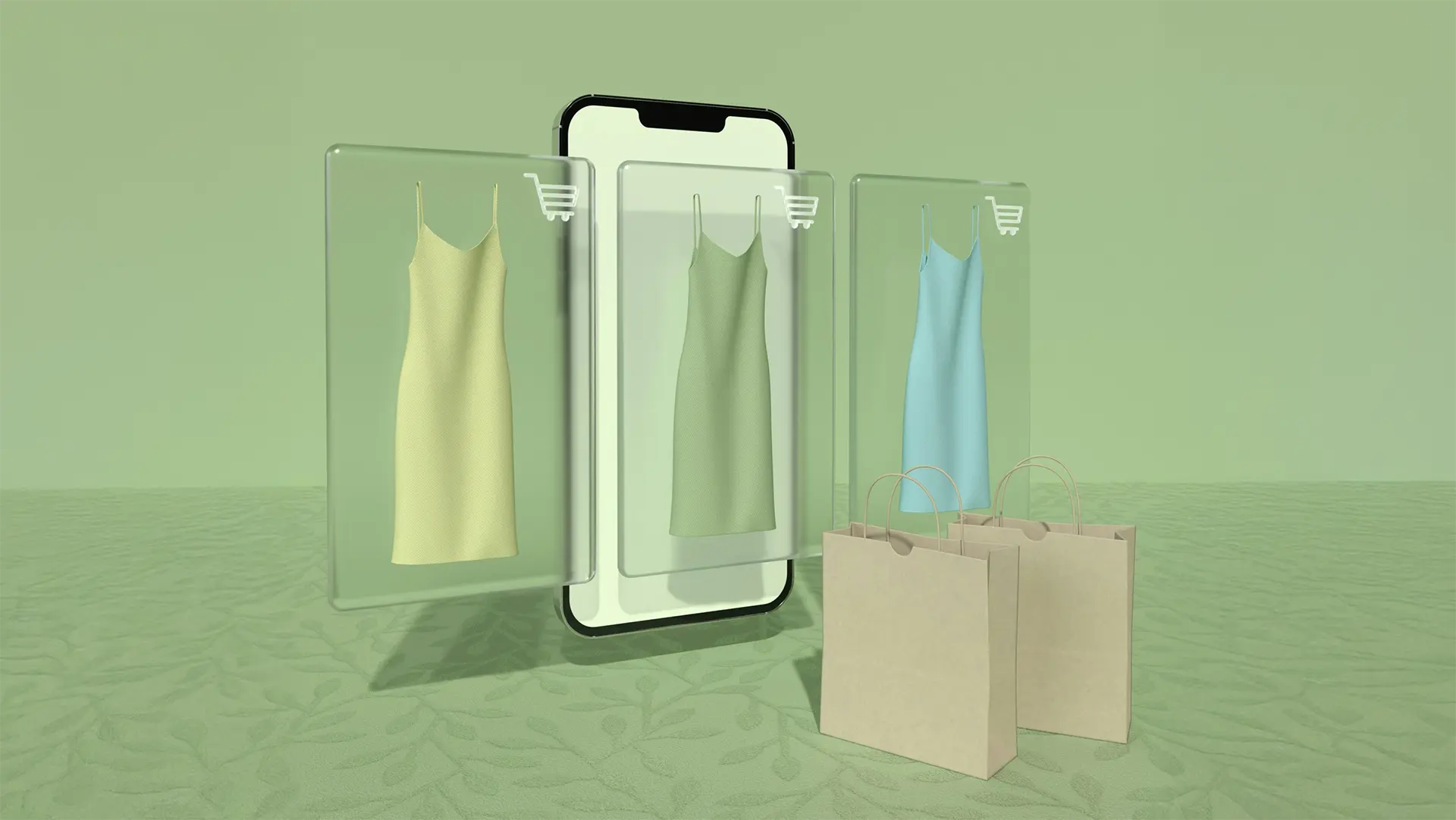
8. The Growth of Social Commerce
Social media platforms will become central not only to marketing but also to direct sales. Social commerce will continue to grow as consumers discover, review, and purchase products directly through these platforms. Sales conducted via various image and video-sharing platforms will form an important part of marketing strategies.
9. The Rise of Subscription Models and Experience Marketing
Subscription-based business models and experience marketing will continue to gain popularity in the future. Consumers will increasingly turn to subscription systems for products and services that meet their recurring needs. This model will become especially prevalent in digital content, food, fashion, and personal care. At the same time, consumers will seek to experience products and services in ways that integrate with their lifestyle. Experience-driven marketing strategies will remain a key tool for influencing customer behaviour.
10. Fast and Responsive Brands
In the near future, consumers will expect brands to respond swiftly to social events and emerging trends. Responsive and proactive brands will earn customer loyalty, while slow or unresponsive ones risk losing trust. Flexible strategic planning will enable brands to adapt quickly, using instant feedback to stay aligned with shifting expectations.
In summary, future marketing trends will continue to evolve through technological revolutions and social transformations, opening new horizons for marketers and creating opportunities to build unique connections with customers.