15 March 2024 AI 101
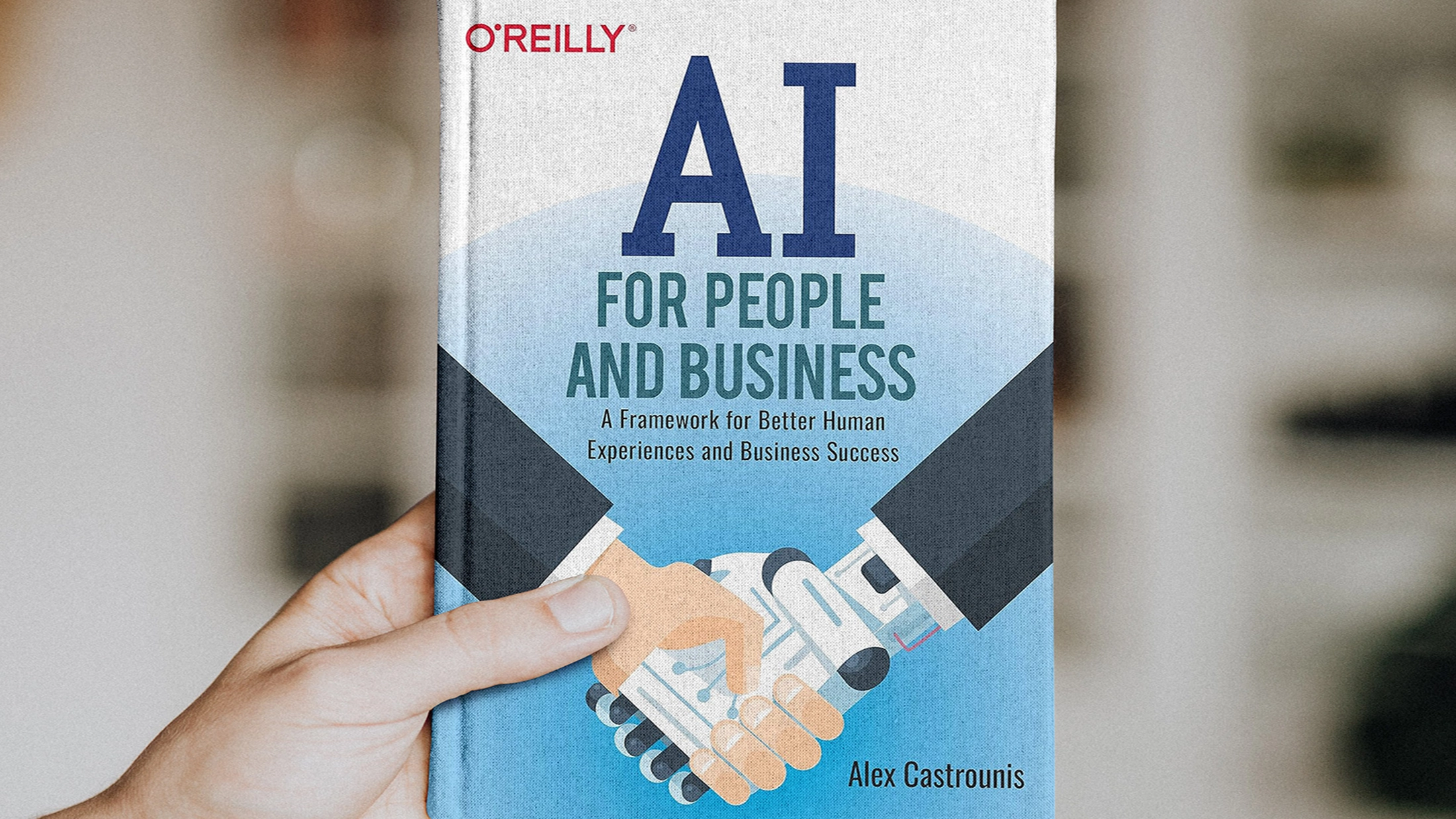
Advanced analytics refers to the process of examining autonomous or semi-autonomous data using sophisticated techniques and tools to uncover deeper insights, make predictions, or generate recommendations, typically beyond the scope of conventional business intelligence (BI). Techniques such as machine learning (ML) and artificial intelligence (AI) significantly enhance the efficiency and speed of these processes. Terms like disruptive technologies, innovation, and digital transformation are widely used, yet they often carry ambiguity in both vision and strategy. Companies should focus on delivering real-world solutions and transforming business processes and everyday experiences by applying both existing and emerging AI technologies within a clear strategic framework to navigate this complexity.
Beyond leadership, data, organisational structure, and talent, successful AI transformation also requires a well-defined approach to the intended benefits for customers, employees, products, and users. Such clarity should enable organisations to:
• Identify and prioritise high-impact artificial intelligence opportunities.
• Prioritise company-wide investment in artificial intelligence initiatives.
• Foster adoption and alignment of artificial intelligence.
• Set realistic expectations for artificial intelligence -driven initiatives.
• Build a shared vision and roadmap for artificial intelligence.
• Help break down silo structures.
• Democratise data and analytics
• Continuously strengthen data and analytics capabilities
• Support a cultural shift from intuition and precedent-based decision-making to a data-driven, data-literate mindset.
• Create, deliver, and optimise effective artificial intelligence solutions.
Artificial intelligence (AI) has long been used to enhance customer and user experiences. You have likely heard terms such as UX, UI, user-centered, human-centered, and customer-focused many times. These terms are commonly used in the context of digital product design or customer service. They also apply to artificial intelligence (AI) and machine learning (ML). These technologies are applications too, and sensitivity to user experience should be central to any AI vision and strategy.
Emerging technologies like AI do not exist in a vacuum and that is why thoughtful design considerations and continuous improvements are essential. For these reasons, the concept of user experience in AI is gaining increasing prominence.
To support a better experience, this book highlights three key concepts to consider in AI implementation:
UX and user interface design, the experience economy, and design thinking as a methodology. These perspectives will be highly valuable in shaping a clear AI vision and strategy.
If we define experience from general to specific:
• Experience refers to the collection of past events, knowledge, and emotions that shape a person’s life or character.
• It is something you do or something that happens to you, i.e., something that truly affects you.
• When you encounter a particular situation, you are in it, or it has happened to you.
In the context of people, the key insight is that experience exists independently of any specific product or object. Human interaction and product usage can be defined as an experience, and the entire field of UX design is built on this foundation

UX – Better user experience, convenience, and enjoyment
AI can enhance user experience, convenience, and enjoyment when people interact with technology. Examples include personal assistants, recommendation-based support that reduces search time, compiling product or service reviews, recognising hand gestures or facial expressions, placing orders for food or flowers, and translating languages. Amazon increased its revenue by 35 per cent through AI-powered recommendation engines. At Netflix, 75 per cent of viewing content is driven by these engines. This is because many people find browsing and searching tedious and time-consuming. As the number of options grows, analysis paralysis becomes increasingly common. This can sometimes lead to the complete abandonment of the service or product in question. AI, on the other hand, helps users find what they need without exhausting them, while also suggesting related interests to create a more complementary experience.
As UX improves and maximum value is delivered, users stay engaged and their interactions become easier. From a business perspective, this leads to fewer customer and user losses, and a stronger retention rate.
People love and continue using well-designed products; conversely, they abandon poorly designed ones altogether,

Experience Economy
The experience economy refers to the growing trend of people choosing to spend their time and money on experiences rather than physical goods. This shift is largely driven by Generation Y and the younger Generation Z.. In fact, 49% of individuals from these generations say they would consider selling furniture or clothing to afford travel, highlighting just how much they value experiences. Experience-based offerings can serve as powerful differentiators and competitive advantages. As a result, companies are placing greater emphasis on experience design and its strategic promotion The experience economy supports aspirations that people dream about but rarely prioritise, while also making it easier to plan meaningful experiences. This shift is creating major opportunities for experience-focused AI products.
People are increasingly seeking personalised experiences—an area where AI excels. Personalisation, such as tailored recommendations, is one of the strongest drivers of increased sales and revenue. The broader potential for personalised experiences is also significant. AI is already enhancing digital experiences, but it can also be used to tailor non-digital experiences to the individual experiences.

Design-Oriented Thinking
Design-oriented thinking is a human-centered, needs-driven methodology especially useful for solving complex problems, particularly those related to innovation with unclear or undefined processes. It involves close collaboration between product designers and users. The ultimate goal is to create products based on what real users think, feel, and do.
Design-oriented thinking is a valuable approach when developing your AI vision and strategy. It can help address technology-related challenges, but it is equally effective for solving problems beyond technology and products. Below is a summary of the five-stage design thinking process, as presented by the Interaction Design Foundation. (https://www.interaction-design.org/literature/article/5-stages-in-the-design-thinking-process).
The five stages of design thinking are: empathising, defining the problem, ideating, prototyping, and testing. It’s possible to draw parallels with Lean and Agile methodologies. While there are similarities, design thinking precedes both of these product development approaches.

AI’s primary goal is to help as many people as possible by using technological advancements to create better human experiences. Companies that adopt the right AI vision and strategy can succeed by enabling both individual and organisational progress, and by embedding AI into their corporate culture.